A heavy grand tourer on low-profile tires communicates through feel long before a warning light arrives. Uneven tire wear, a new float over expansion joints, a knock on slow turns, each is data about the suspension, and each gets easier to ignore until it becomes expensive.
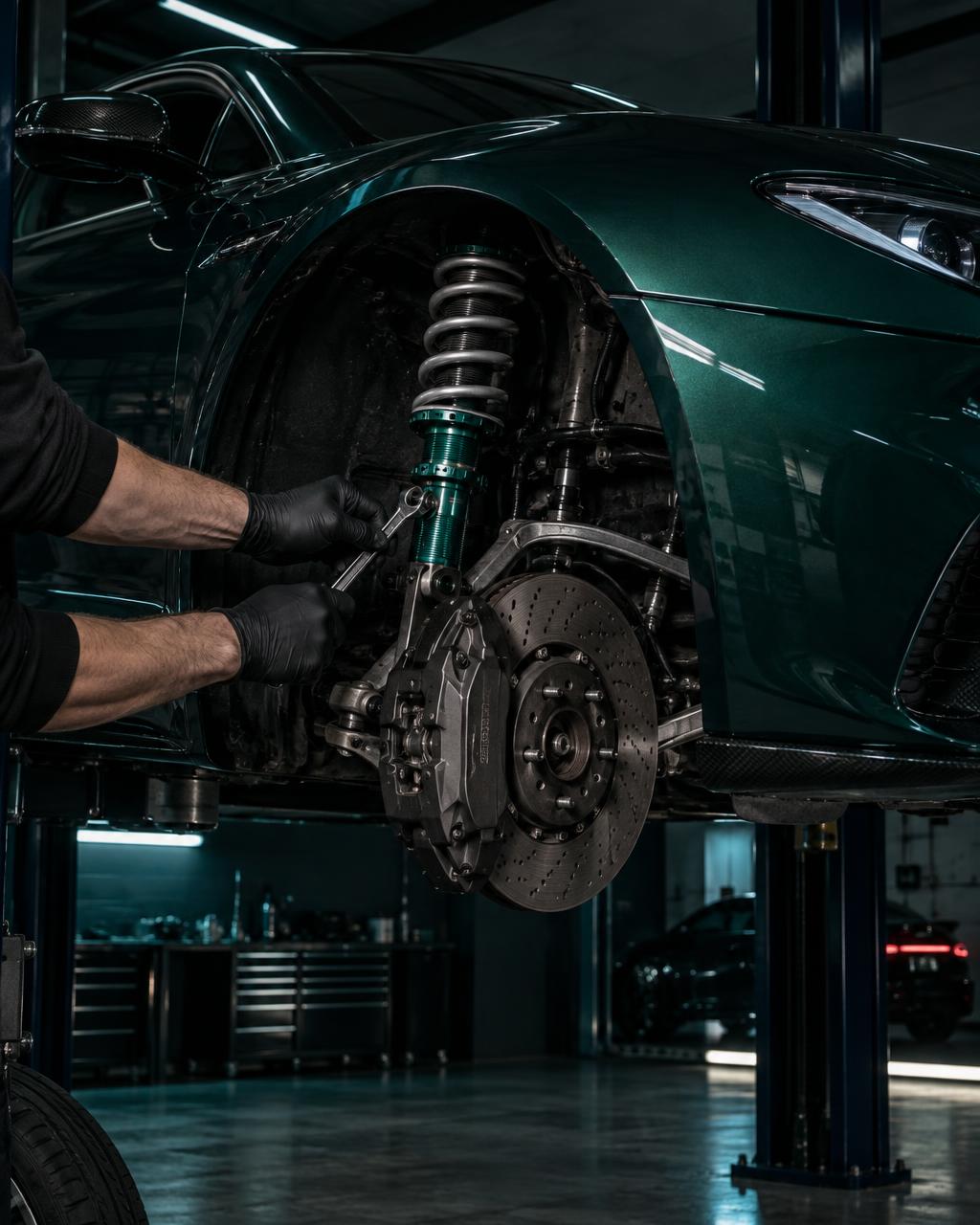
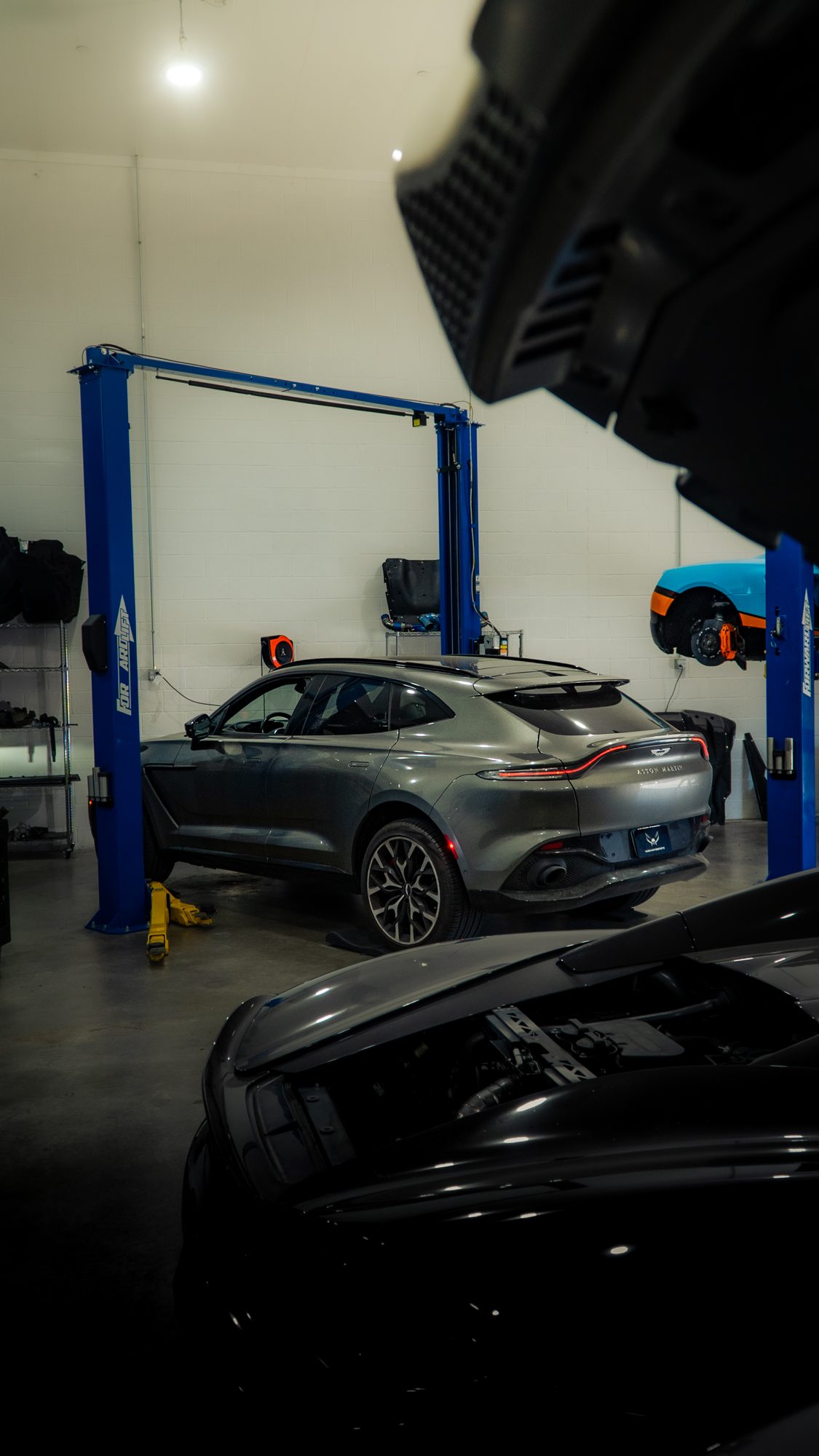
The modern range mixes conventional steel suspension, adaptive dampers and, on the DBX, air suspension with height control. Each asks different questions of a diagnosis, and treating an adaptive damper like a plain one is how good parts get replaced for nothing.
Alignment sits underneath all of it. A car that pulls or eats its inside edges often has a geometry problem that no new damper will solve, so measurement comes before replacement here.
What we inspect
- Dampers and adaptive damper operation, with stored faults read
- Air suspension compressor, struts and height calibration on DBX
- Bushings, links and mounts for wear and play
- Four-wheel alignment against factory specification
- Steering rack behavior, effort and centring on a road test



 1 month ago